


From bean to chocolate: how we make our chocolate
A fermented, dried bean is not yet chocolate. Between the Mekong Delta and our shops, it passes through several stages, each one decisive for the final taste.
The starting point: a bean that has already been worked
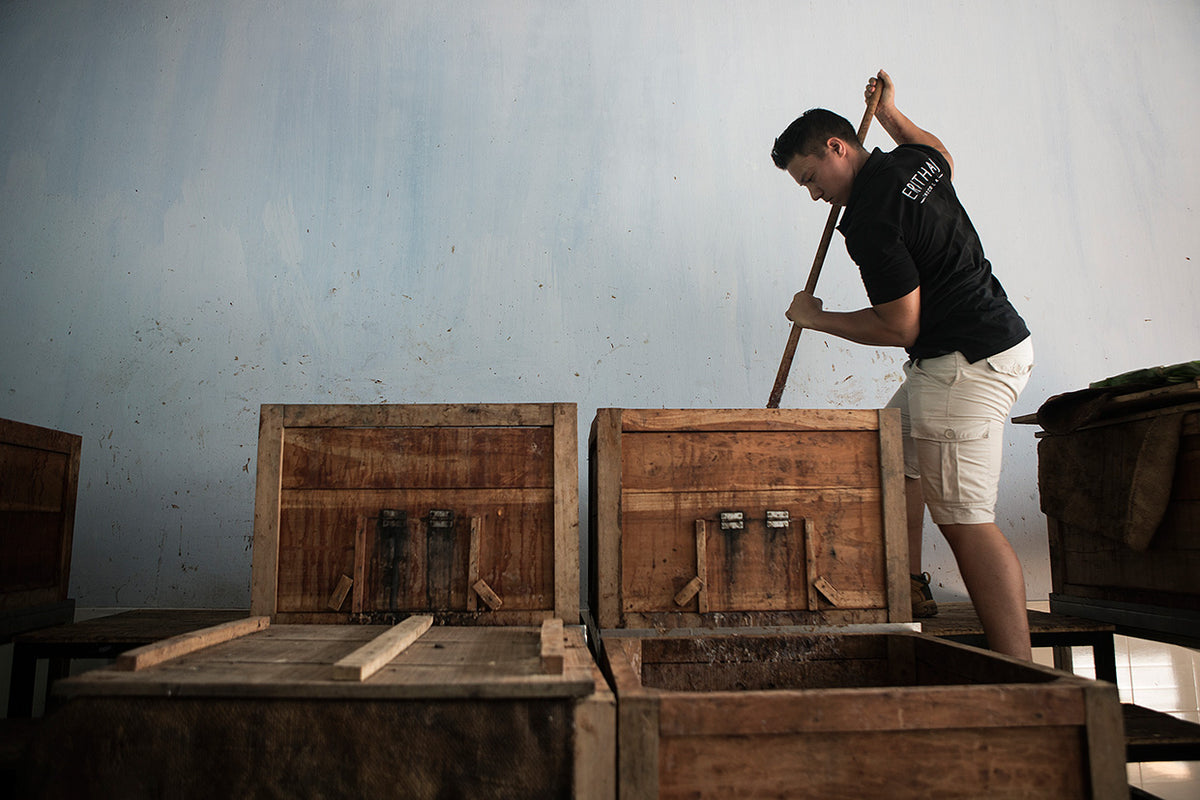
Our beans come from Ben Tre province, in Vietnam. There, they were fermented at our own station, then dried in the sun. This is where the precursors of their aromas are born (read Cacao fermentation). They then leave for France.
A couverture maker, from father to son
The transformation of the bean into chocolate is entrusted to Chocolaterie A. Morin, couverture makers handed down from father to son for four generations, in the Drôme provençale. They work our beans to our own recipes, through rigorously calibrated stages.
Roasting
The beans are roasted first. Heat develops the aromas formed during fermentation and drying. It is a matter of balance: too little, and the cacao stays green; too much, and it turns bitter and loses what makes it unique.
Grinding
Once roasted and freed from their shells, the beans are ground. Rich in cocoa butter, they become a paste: cocoa mass, the foundation of all chocolate.
Conching
The paste, with sugar added, is then stirred and heated at length. Conching refines the texture, rounds out the flavours and gives the chocolate its finesse on the palate.
Our recipe choices
We let each harvest express itself, without altering its aromatic profile as the chocolate is made. Our chocolate therefore changes slightly from one harvest to the next, like a wine from one vintage to another.
We also add little cocoa butter, to preserve the intensity and aromas of the cacao when tasted.
Then on to the Plobsheim workshop
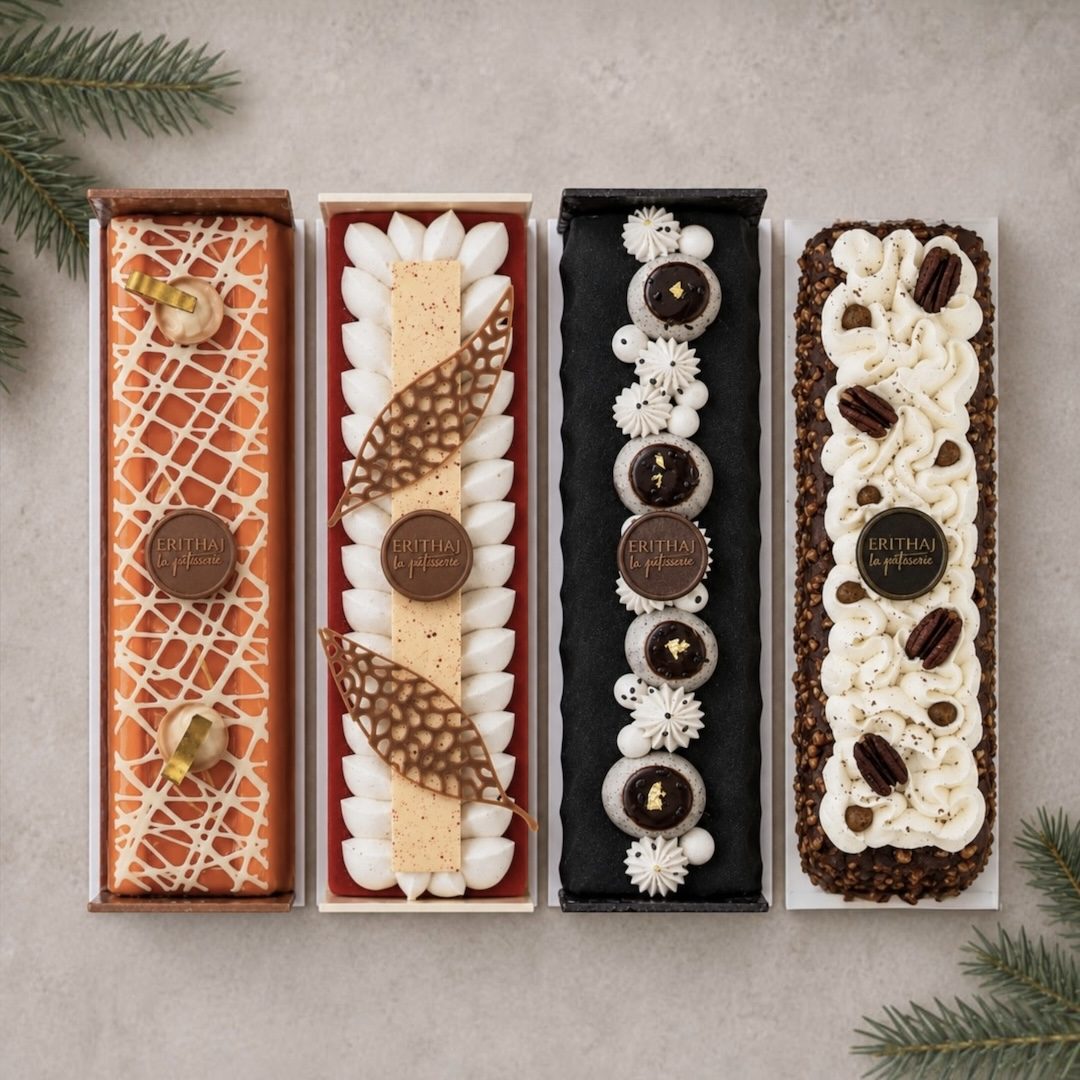
The couverture chocolate then arrives at our workshop in Plobsheim. There, our chocolatiers temper and shape it through the seasons: bars, bonbons, pralines, chocolate figures.


